In the Mediterranean, housing has never been understood as a close space. From traditional architecture to more contemporary proposals, homes are conceived as an extension of their surroundings, a place where interior and exterior naturally coexist. In this context, the terrace is not an extra, but an essential part of the lifestyle.
The large terraces that characterize Mediterranean homes respond to a very clear logic: making the most of the climate, light and landscape to improve the way the home is lived. This is not a recent trend, but an intelligent adaptation to the environment that has endured over time.
Climate as the origin of design
One of the key factors that explains the importance of terraces is the climate. Mild winters and long summers allow outdoor spaces to be enjoyed for much of the year, turning themes into truly liable areas rather than purely decorative ones.
Terraces act as a natural filter between the interior of the home and the outside. They protect from direct sunlight, encourage cross ventilation, and help regulate temperature without the need for artificial solutions. In many homes, especially in coastal areas, they become the most used space in daily life.
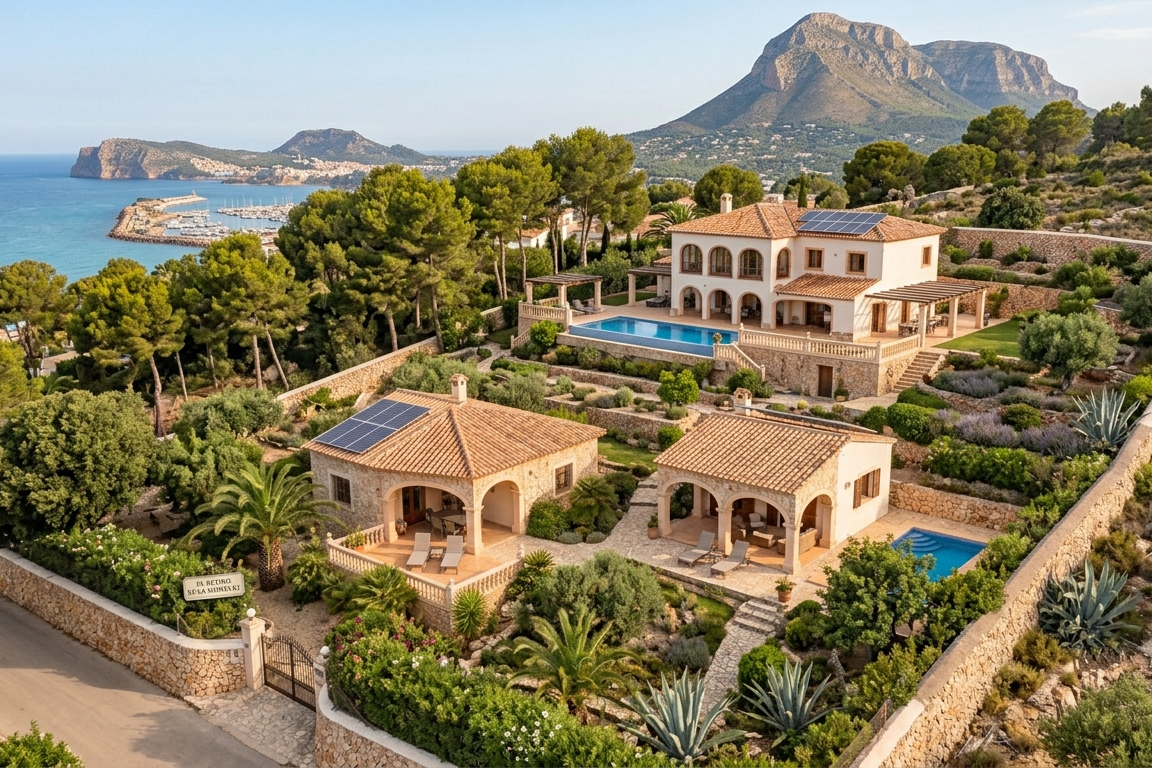
In places like Jávea, where the sea and the mountains create a unique microclimate, terraces make it possible to take advantage of sea breezes and the natural orientation of the land, significantly improving living comfort.
Living towards the outdoors
Mediterranean architecture is characterized by a way of living oriented towards the outside. Eating, resting, reading, or socializing is not limited to interior spaces. The terrace extends the home and multiplies its possibilities.
For this reason, many Mediterranean homes dedicate a significant part of their surface area to well-designed outdoor spaces. It is not a matter of square meters, but of quality of life. A well-planned terrace can become a dining area, a living room, a relaxation space, or a place for family gatherings.
In the case of coastal homes, this relationship with the outdoors is even more evident. The landscape stops being a distant element and becomes part of everyday life. The house does not close itself off from its surroundings, but opens up to them.
A space for slower living
Beyond functionality, the terrace represents a way of understanding time. In the Mediterranean, life is lived at a slower pace, and outdoor spaces invite people to pause, extend conversations, and enjoy small daily rituals.
Having breakfast outdoors, reading at sunset, or simply sitting and observing the surroundings are simple gestures that define a way of inhabiting the home. In this sense, the terrace provides an intangible value that goes far beyond its surface area.
Many people discover that these spaces end up becoming the true heart of the home, the place where daily life is concentrated.
Tradition and contemporary design
Although terraces are part of traditional Mediterranean architecture, their importance has not diminished over time. On the contrary, current projects reinterpret this element from a contemporary perspective.
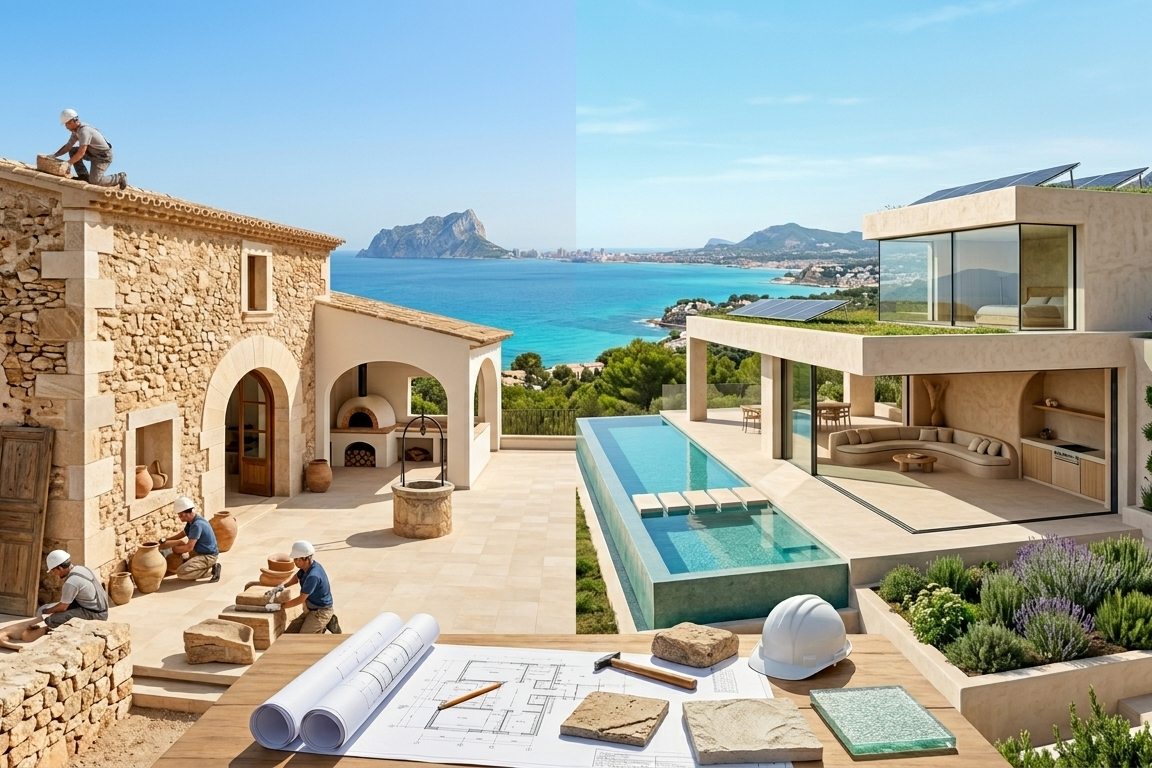
Modern homes integrate terraces with large windows, visual continuity, and materials that reinforce the connection with the surroundings. A design-led home does not abandon tradition, but adapts it to new ways of living while maintaining the essence of Mediterranean architecture.
In areas where traditional buildings coexist with modern projects, this evolution becomes especially evident. The language changes, but the idea remains the same: living the home beyond its walls.
More than an extra, a way of living
Large terraces are not a luxury nor a passing trend. They are the logical response to a climate, a landscape, and a way of understanding housing. In the Mediterranean, the home is lived both indoors and outdoors, and the terrace is the space that makes this connection possible.
When observing local architecture and the way homes are designed, it becomes clear that these outdoor spaces not only define how houses look, but also how they are lived. And that is where their true value lies.