One of the great challenges of contemporary residential architecture is creating homes that open up to the landscape without compromising privacy. On the Costa Blanca, where the natural surroundings, the sea, and Mediterranean light play a central role, this balance becomes especially important. Architecture must protect private life without giving up the views that give meaning to the place.
Privacy is not achieved by closing off the home, but by designing it intelligently. From the very beginning, the project must be based on a precise reading of the site, understanding how the plot relates to its immediate context and how the space can be inhabited comfortably and discreetly.
The Surroundings as a Starting Point
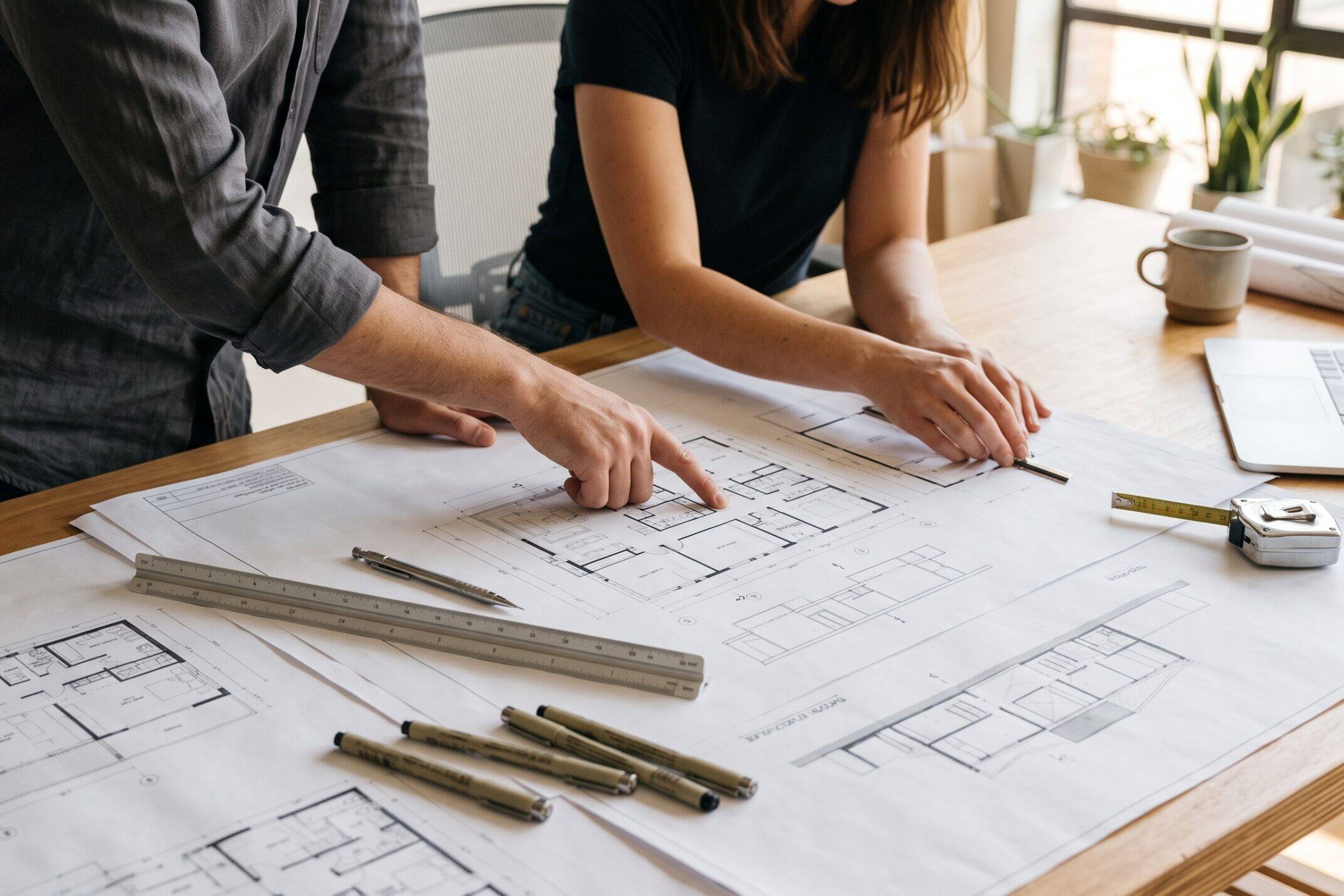
Every project begins with a detailed analysis of the plot. Orientation, topography, and the relationship with neighboring properties shape the design long before the building’s form is defined. In areas with slopes or elevated views, proper site placement allows the home to open toward the landscape while remaining protected from external views.
Taking advantage of natural level changes, orienting main living spaces toward the best views, and placing the most private areas in sheltered zones is key to creating a sense of intimacy without losing spaciousness or natural light.
Designing to Look Without Being Seen
Architecture acts as a filter between interior and exterior. It is not about large, uncontrolled glass surfaces, but about deciding what is shown, from where, and in which direction. The position and proportion of openings, combined with setbacks and overhangs, make it possible to enjoy views without direct exposure.
This visual control enhances comfort and reinforces a sense of shelter, allowing the home to feel open yet protected.
The Fifth Façade and Outdoor Spaces
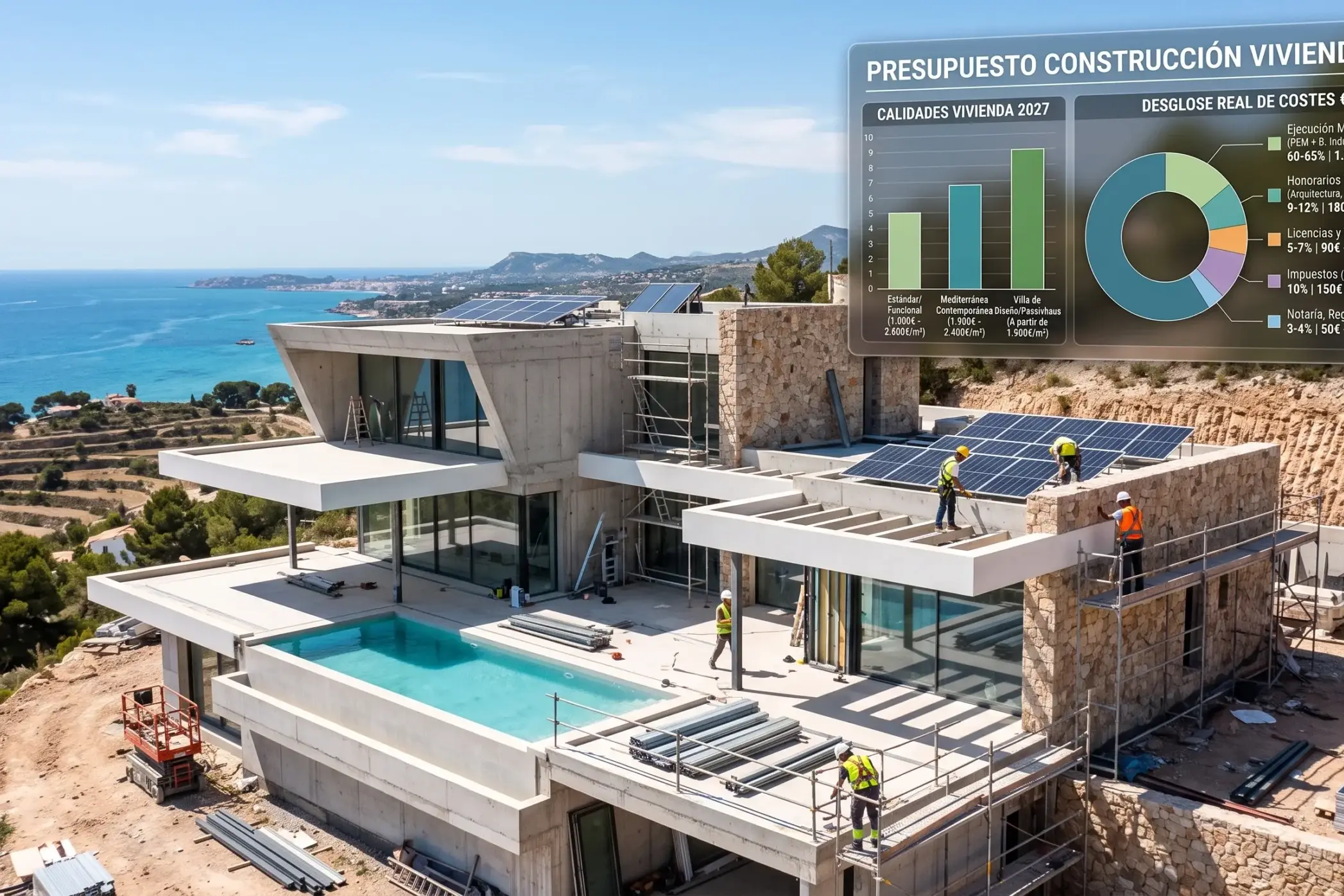
The roof, understood as the fifth façade, plays a key role in ensuring privacy in homes with open views. Upper terraces and rooftop spaces can become privileged outdoor areas when designed with clear architectural criteria.
Through the arrangement of volumes, the appropriate height of protective elements, and the integration of vegetation, these spaces allow enjoyment of the landscape without visual interference, naturally extending the livable area of the home.
The Landscape as an Ally of Privacy
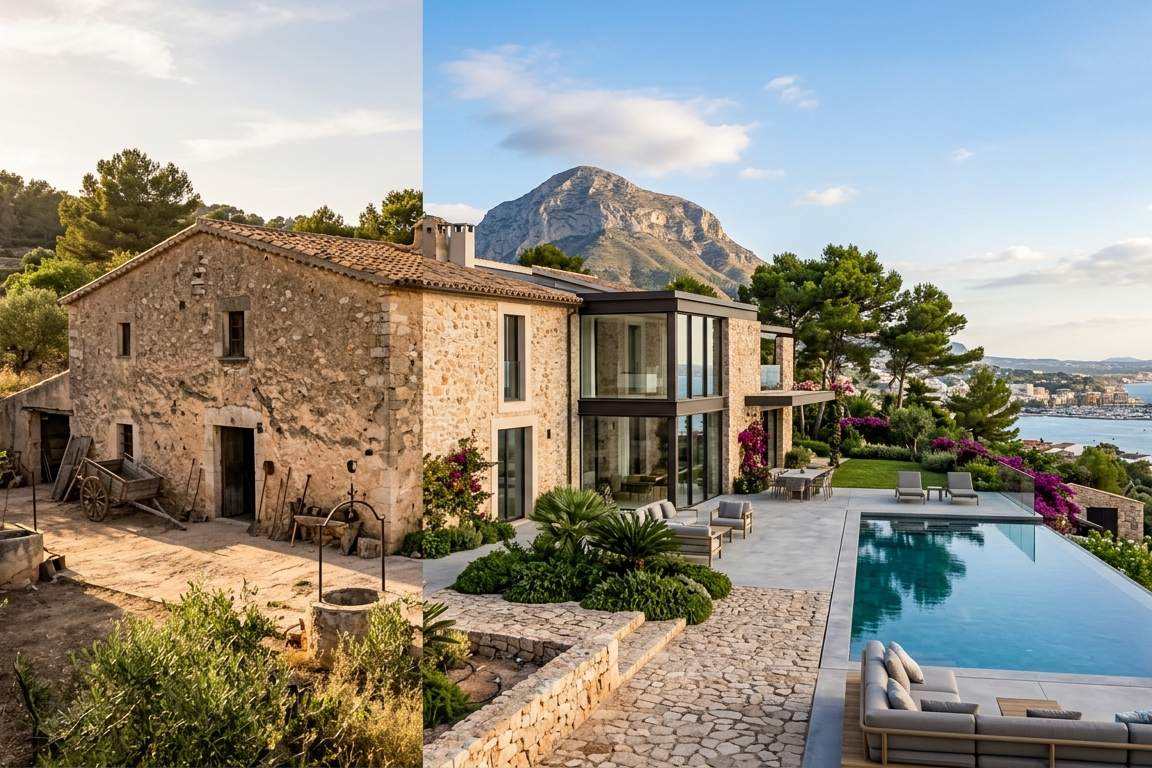
Landscape architecture is one of the most effective tools for creating privacy without aggressive solutions. Vegetation acts as a natural filter that protects, complements, and improves the home’s integration with its surroundings.
Trees, hedges, and stepped gardens provide shade, thermal comfort, and a softer transition between public and private spaces, strengthening the relationship between architecture and landscape.
Interior Layout and Comfort
Privacy is also built from within. A well-planned layout naturally separates day and night areas, orienting shared spaces toward the views while reserving more intimate areas for protected zones.
Interior courtyards introduce natural light and ventilation without compromising privacy, creating calm and balanced environments.
A Balance Designed from the Start
Achieving maximum privacy without sacrificing views is not a one-time decision, but the result of a coherent project developed from the outset. Early architectural guidance makes it possible to anticipate urban and visual constraints, avoiding improvised solutions and ensuring long-lasting results.
When architecture adapts to both the place and the people who inhabit it, the relationship between intimacy and landscape emerges naturally.
Frequently Asked Questions
Is it possible to have open views without losing privacy?
Yes, as long as the design carefully controls orientation, height, and the position of openings to avoid direct exposure.
Can vegetation replace physical enclosures?
In many cases, yes, especially when combined with good site placement and thoughtful architectural design.
Does the fifth façade really provide privacy?
Yes, when well designed it allows for intimate outdoor spaces even in homes with elevated views.
Does the interior layout affect privacy?
Very much so. A well-organized layout is essential to protect privacy without giving up natural light.
When is it advisable to work with an architect?
From the earliest stages of the project, even before purchasing the plot, to ensure a balanced and well-considered design.